

Customer Story
DLVRY
Discover how DLVRY, a fast-growing food and beverage wholesaler, partnered with KOKAI to establish a unified data platform using Microsoft Fabric and Power BI. The result? Real-time cross-company insight, automated reporting, and a trusted partnership that is driving continuous innovation in a low-margin industry.



About DLVRY
DLVRY is a full-service distributor of food and beverages to Norway’s professional kitchens. Founded in 2021, the company has expanded rapidly through the acquisition of 17 local wholesalers. These acquisitions have been consolidated into a group structure consisting of 14 active subsidiaries operating from more than 25 locations across Norway. This setup enables DLVRY to combine strong local presence with national coverage.
Each subsidiary retains its local identity and market knowledge, while DLVRY centrally enables economies of scale in areas such as procurement, logistics, and technology. Today, the group serves more than 10,000 customers nationwide and generates annual revenues of approximately NOK 3 billion. In a traditionally low-margin market, DLVRY places strong emphasis on efficiency, data quality, and insight to support both day-to-day operations and long-term growth.
What used to take days of manual work, we now accomplish in minutes. Our team finally has the insight needed to steer the business with confidence.
Christian Melbye, Head of IT Service Delivery, DLVRY
THE CHALLENGE
DLVRY’s rapid growth created complexity that existing systems and processes were not designed to handle.
A complex organisational landscape
Although 17 wholesalers were acquired, they were integrated into 14 active subsidiaries. Each entity came with its own operational history, data structures, and systems. Reporting across the group was fragmented and inconsistent, making it difficult to gain a unified view of performance.
A fragmented ERP environment
The acquired companies were running on a mix of ERP systems, including Visma, Navision, Business Central, and two separate Dynamics installations. While some of these systems are technically related, they were not standardised or consolidated. This resulted in parallel data models, duplicated logic, and limited ability to report across companies.
Manual processes and limited insight
Before the project, DLVRY lacked a central analytics platform. Reporting efforts were largely ad hoc and manual, and internal BI competence was limited. Leadership did not have consistent, real-time insight into margins, sales performance, or customer behaviour across the group.
Time-consuming compliance reporting
One particularly resource-intensive task was alcohol sales reporting for regulatory purposes. Over the course of a year, one employee spent the equivalent of two months manually compiling alcohol sales per customer using ERP exports and Excel. This cumulative effort represented a significant drain on capacity and increased the risk of errors.
With continued growth and future acquisitions planned, DLVRY needed a scalable, future-proof data foundation that could support both operational control and strategic decision-making.
These challenges were not just operational but strategic. In an industry with tight margins, DLVRY’s ability to identify opportunities and inefficiencies quickly – “what you measure is what you get,” as Melby notes – would directly impact its profitability. The company’s leadership recognized that a modern, unified data platform was essential to support its growth and planning needs.

The Solution
A unified data foundation with Microsoft Fabric.
DLVRY partnered with KOKAI to design and implement a modern data platform. At the core of the solution is Microsoft Fabric, which serves as a centralised data foundation for the entire group. Data from all subsidiaries and ERP systems is now ingested into a shared cloud-based data warehouse, replacing local exports and isolated reporting solutions.
This approach created a single source of truth for sales, inventory, and financial data across all 14 subsidiaries.
Power BI for consistent insight
On top of Fabric, Power BI provides standardised dashboards and reports for stakeholders across the organisation. Executives, controllers, and operational teams now work with consistent definitions and metrics, regardless of which subsidiary the data originates from.
Master data harmonisation and semantic models.
A critical part of the project was extensive master data work. Products, customers, and suppliers existed in multiple variants across subsidiaries. For example, the same product could have up to 14 different item numbers. KOKAI worked closely with DLVRY to harmonise these structures and build a consolidated semantic model spanning all subsidiaries.
This ensured that reporting across companies compares like with like. The semantic model also established a strong foundation for future initiatives, including centralised master data management and advanced planning.

Fabric as an integration layer.
Microsoft Fabric now functions as an integration hub between systems. Data from Fabric is shared with best-of-breed tools such as Blue Ridge for forecasting and supply chain planning. This gives DLVRY greater control over data flows and reduces dependency on individual ERP systems.
Preparing for the next phase with Aimplan.
DLVRY is positioned to roll out Aimplan as a future phase of its data journey. References to Aimplan in the current solution reflect preparatory work, such as master data structuring and semantic modelling. Aimplan is not yet a fully operational budgeting and forecasting solution, but the groundwork is in place to enable a smooth implementation when the time is right.
“Aimplan stood out because it didn’t require us to throw away what was working. Instead, it made what we already had more powerful.”

The Impact
One-click compliance reporting
One-click compliance reporting
The alcohol sales reporting process has been transformed from a cumulative two months of manual work per year into an automated, one-click operation. Using Fabric and Power Automate, reports are generated instantly, freeing up significant capacity for more value-adding activities.
“Now it’s a one-click solution. The savings are enormous.”
Efficiency, control, and scalability
Manual data handling has been largely eliminated. Teams spend less time collecting and validating numbers and more time analysing and acting on them. New subsidiaries can be onboarded into the reporting platform far more efficiently, without rebuilding the data foundation.
Beyond efficiency, the solution has significantly improved control and trust in data. Management can rely on consistent numbers across the organisation, supporting better decision-making in a fast-moving, low-margin business.
Real-time, cross-company insight
DLVRY’s leadership now has immediate access to unified dashboards covering all subsidiaries. Key metrics such as margins, basket size, sales volumes, and customer performance are available on demand, with consistent definitions across the group.
A Long-Term Partnership
DLVRY views KOKAI not just as a technology provider, but as a strategic partner. KOKAI’s consultants work closely with DLVRY’s leadership and operational teams, providing both technical expertise and business-oriented sparring. This close collaboration ensures that the data platform continues to evolve in line with DLVRY’s growth and changing needs.
“KOKAI feels almost like employees in DLVRY. It’s a great match both professionally and personally, with extremely high competence at the core.”

A Foundation for Future Growth
By consolidating data from 17 acquisitions into a unified platform supporting 14 active subsidiaries, DLVRY has transformed complexity into clarity. With Microsoft Fabric, Power BI, and a trusted partner in KOKAI, DLVRY is well positioned to scale further, onboard new acquisitions efficiently, and take the next steps towards advanced planning and analytics.



WANT TO ACHIEVE
THE SAME?
KOKAI helps FP&A teams modernise planning with solutions like Aimplan, Microsoft Power BI, and Microsoft Fabric. Whether you’re stuck in Excel chaos or want to enable continuous forecasting, we’re here to help.
KOKAI Team members Working with DLVRY.
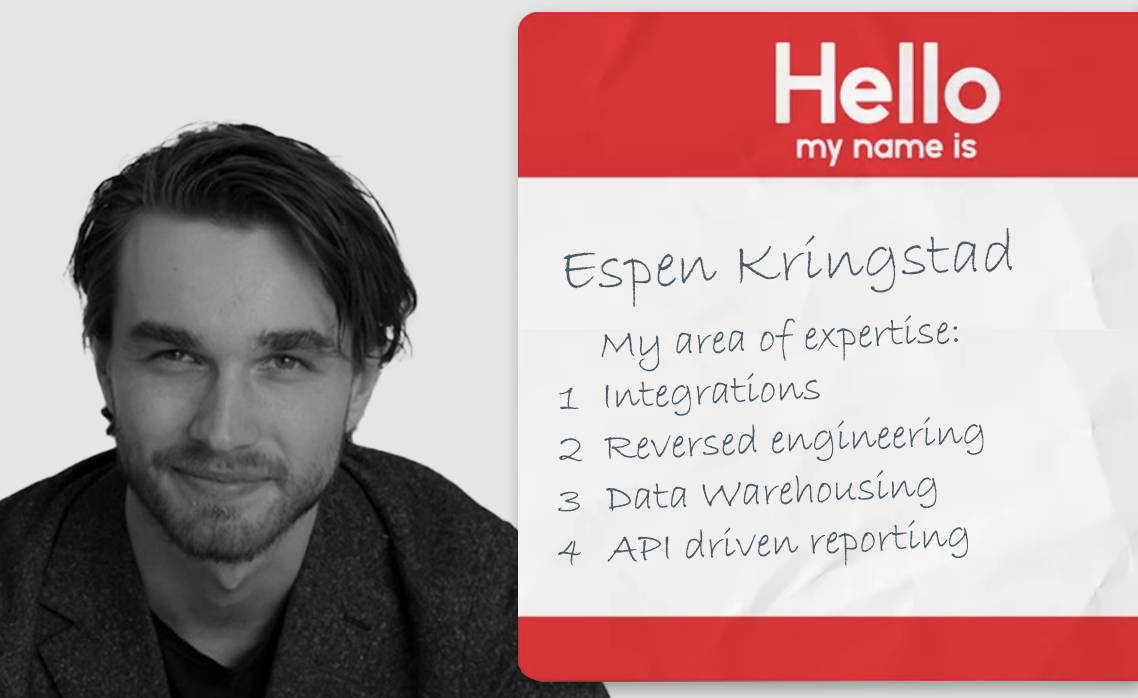
Espen Kringstad
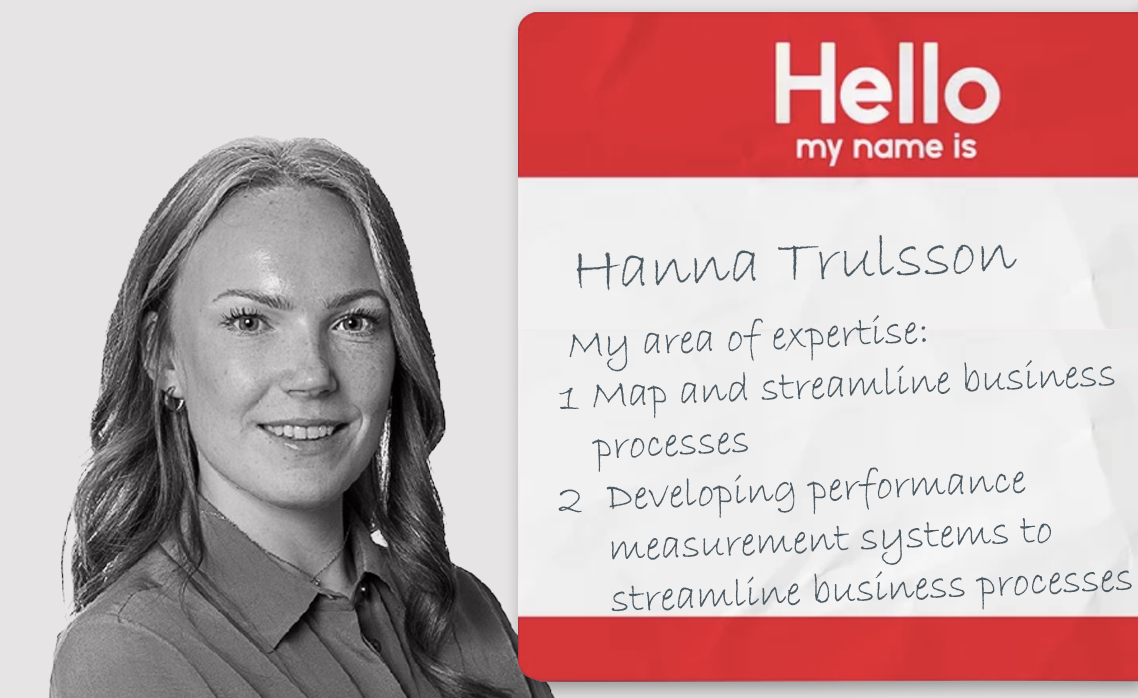
Hanna Trulsson
Aimplan FAQs
-
Aimplan is a SaaS solution that extends Microsoft Power BI and Microsoft Fabric with advanced planning, forecasting, reporting, and data management. It helps organizations plan, forecast, and report smarter — all inside Power BI.
-
Aimplan is used by Finance (CFOs, Controllers), Sales leaders (CROs, Sales Ops), Supply Chain & Operations teams, and Project Management Offices. It serves mid-market to small enterprises and departmental teams in larger companies.
-
Aimplan runs inside Power BI as custom visuals. Data entry, planning, and reporting happen in the same Power BI environment, connected to 200+ data sources. Planning data is stored securely in Azure SQL or Microsoft Fabric and reflected back into Power BI in real time.
-
Aimplan eliminates spreadsheet-heavy processes and disconnected tools. It enables integrated planning, fast forecasting, structured financial reporting, and collaborative workflows across finance, sales, supply chain, and project teams.
-
A simple budgeting or forecasting setup can be done in 2–3 weeks. Reporting-only setups can be completed in minutes if the Power BI model is ready. Larger, more complex cases may take a few months, but still much faster than standalone FP&A systems.
-
Planning data is stored in Azure SQL or Microsoft Fabric SQL, depending on customer setup. Actuals remain in the customer’s existing Power BI model. Data is transmitted securely over HTTPS.
-
No. Aimplan is a SaaS service. Business logic runs in the Azure cloud for scalability and automatic updates. However, customers can choose to store planning data in their own Azure SQL database if desired.
-
Aimplan follows Power BI’s security framework, including workspaces, row-level security, and permissions. Users only see the data relevant to their role.
-
Financial Planning & Analysis (FP&A) – Integrated forecasting, budgeting, workforce planning, OPEX, CAPEX, and reporting.
Sales Performance Management – Sales & revenue budgets, quotas, forecasting, territory assignments, price optimization.
Integrated Business Planning – Demand planning, S&OP, procurement, inventory, capacity optimization.
Project Reporting & Forecasting – Project budgets, resource allocation, profitability forecasting, risk management.m description
-
Aimplan is cloud-native, easier to implement, and built for scalability inside Power BI and Fabric. Unlike competitors, Aimplan balances ease of use with deep planning features while keeping costs lower and reducing reliance on external consultants.
-
Yes. Aimplan allows multiple planning scenarios and versions, with audit trails. Teams can run driver-based planning, predictive forecasting, and scenario simulations directly in Power BI.
-
Customers report faster forecasting cycles, improved data quality, time savings, better collaboration, and higher forecast accuracy. For example, Fellowmind Denmark cut time spent on revenue forecasting and empowered 30 managers to forecast directly in Power BI.cription
-
No. While many CFOs and Controllers use it, Aimplan also serves sales leaders, supply chain planners, and project managers. Any department needing planning and forecasting within Power BI can use Aimplan.
-
It includes commentary and approval visuals so managers can input narrative explanations, approve budgets, and track changes — all inside Power BI with proper access controls.
-
Most customers begin with a discovery call or demo. From there, Aimplan typically starts with one use case (e.g., financial forecasting) and expands step by step into sales, supply chain, or project reporting.

KOKAI
KOKAI will elevate your business with tailored solutions in strategic planning, organisational design, process improvement, technology deployment, and change management. Our seasoned consultants deliver top-notch results for long-term success. Reach out today!